Read
Fatal Abstraction
To survive AI-driven change, leaders must govern at the level of uncertainty they actually face.
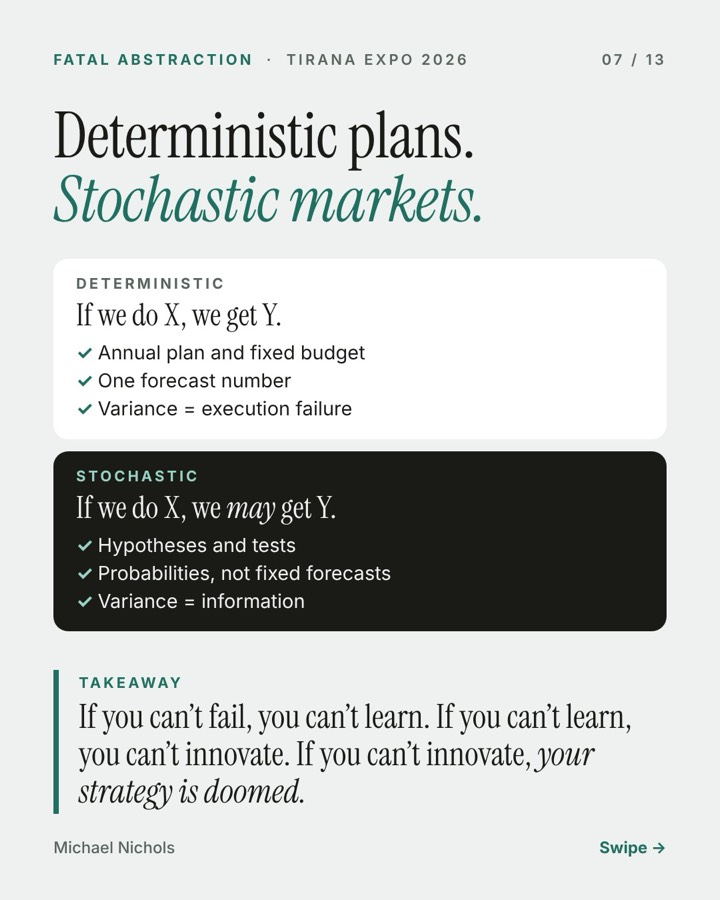
Grab a copyI'm Michael Nichols. I've spent my career building innovation engines inside global industrial and automotive groups, to test, validate, and launch at scale while their economics changed underneath them. Our programs produced more no-gos than most organizations have ever started, which is exactly how you find the few bets worth scaling. If you can't fail, you can't learn. If you can't learn, you can't innovate. If you can't innovate, your strategy is doomed.

Read
To survive AI-driven change, leaders must govern at the level of uncertainty they actually face.
Grab a copyListen
Strategy, innovation governance, and venture building, from conference keynotes to panel discussions.
Review topicsCollaborate
Strategy assessment, project, and portfolio reviews, innovation governance, workshops, and incubation programs.
Explore offersUse
A competitive and strategic intelligence platform that tests your strategy before the market does.
Try PhanerosMedia


Read
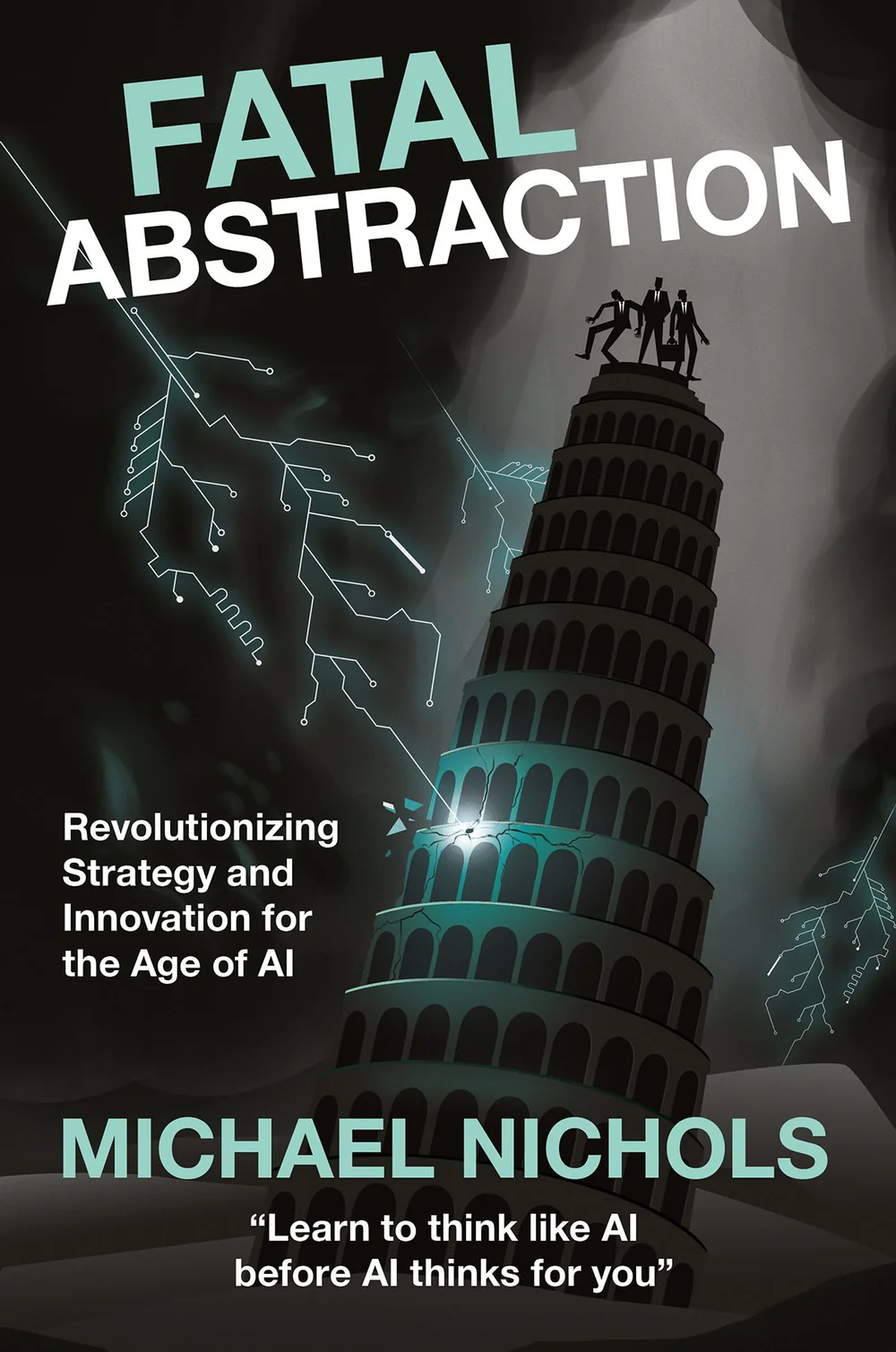
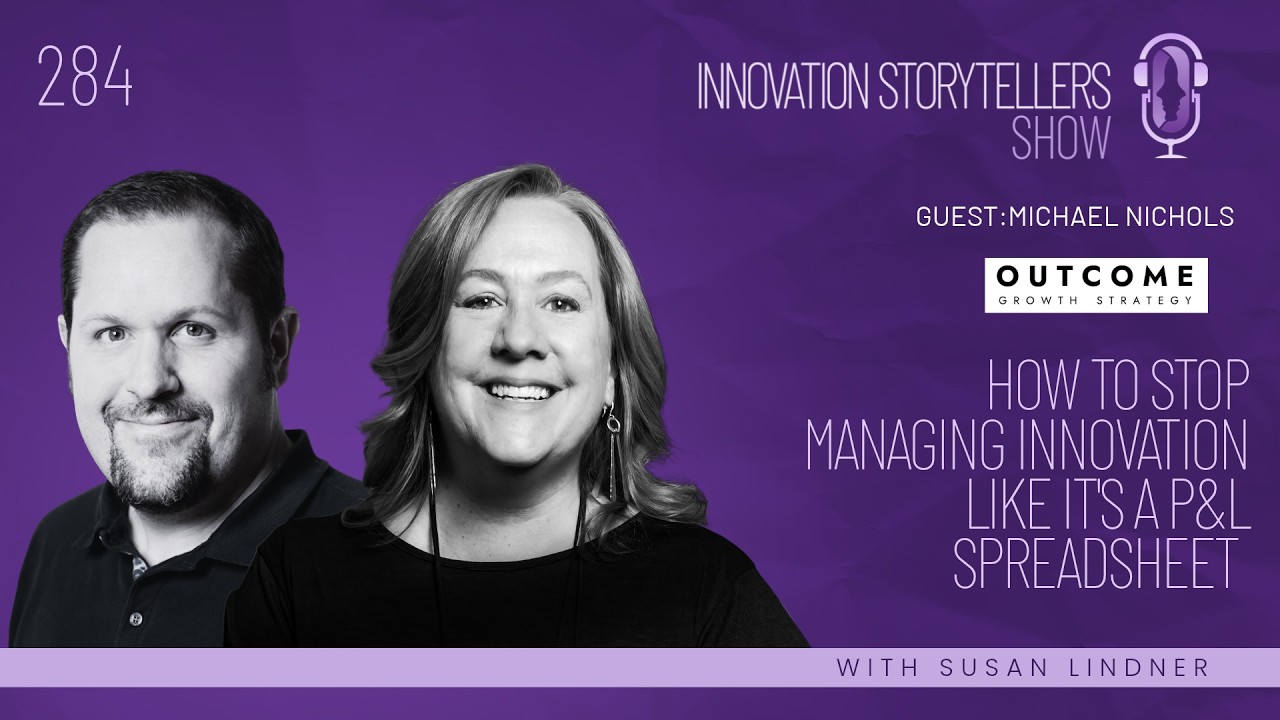
Published August 25, 2026 · Emerald Publishing
Hit #1 in Amazon’s Industrial Management & Leadership New Releases in August, and again in September 2026, then #1 in Industrial Business Management in October
Fatal Abstraction argues that management is the outlier discipline: almost every serious field has embraced probabilistic reasoning, hypothesis testing, and systematic updating. Management hasn't. The arrival of AI makes this existential: stochastic machines introduced into deterministically governed organizations are a mismatch by design. Published by Emerald Publishing with a foreword by Dan Toma and preface by Mark Searle.
“Worth reading if you make resource-allocation decisions and suspect your process is better at producing confidence than accuracy.”JS · Amazon review
“It's a rigorous, occasionally uncomfortable case for treating strategy as the genuinely uncertain discipline it actually is.”Amazon Customer · verified purchase
“If you don't understand the "why" behind your numbers, AI just helps you be wrong faster and with more confidence.”Tyler B · Amazon review
Listen
Causation
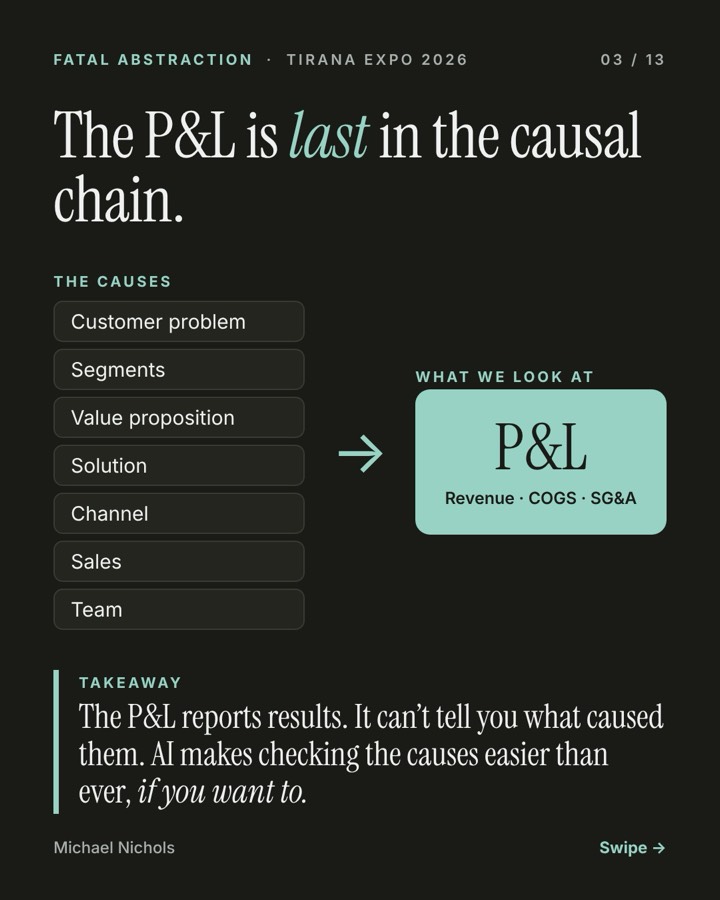
Why the P&L is the last link in a causal chain that starts in the business model, and what to look at instead.
Evidence
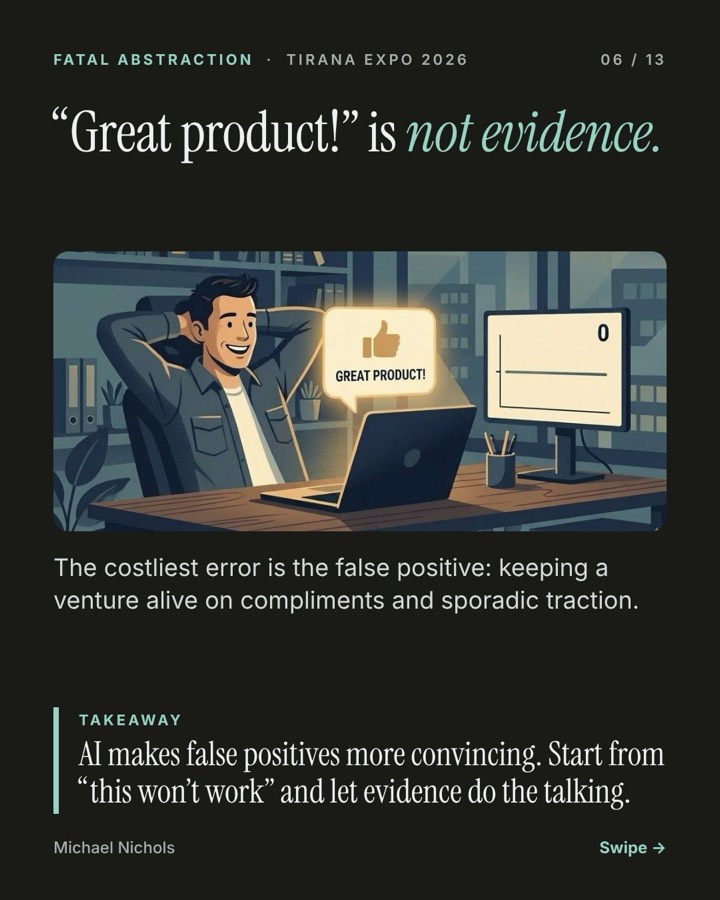
AI makes false positives more convincing, so real evidence has to come from experiments with live customers.
Base rates
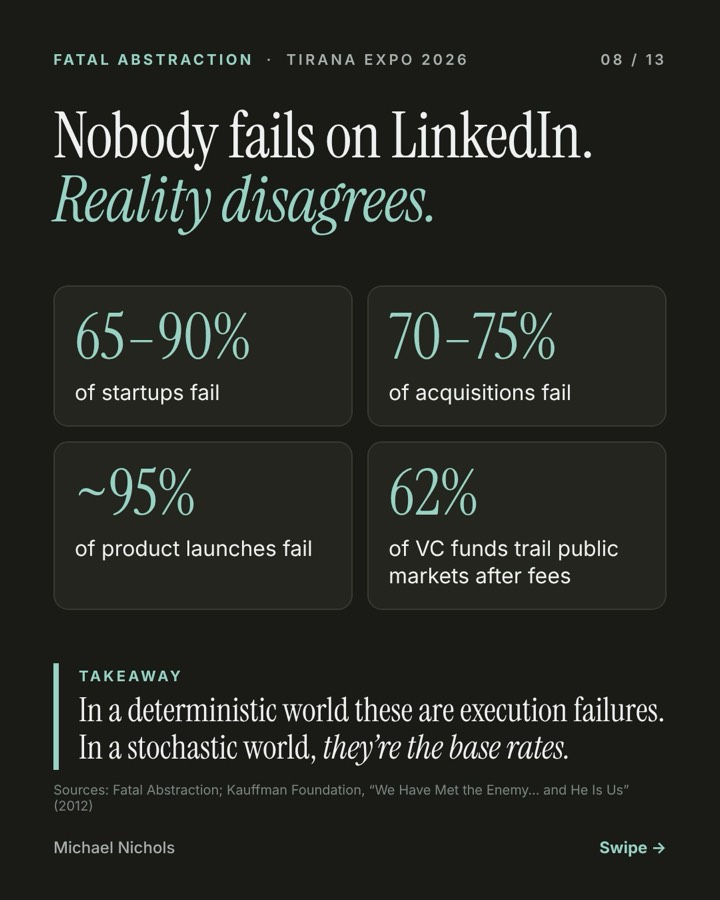
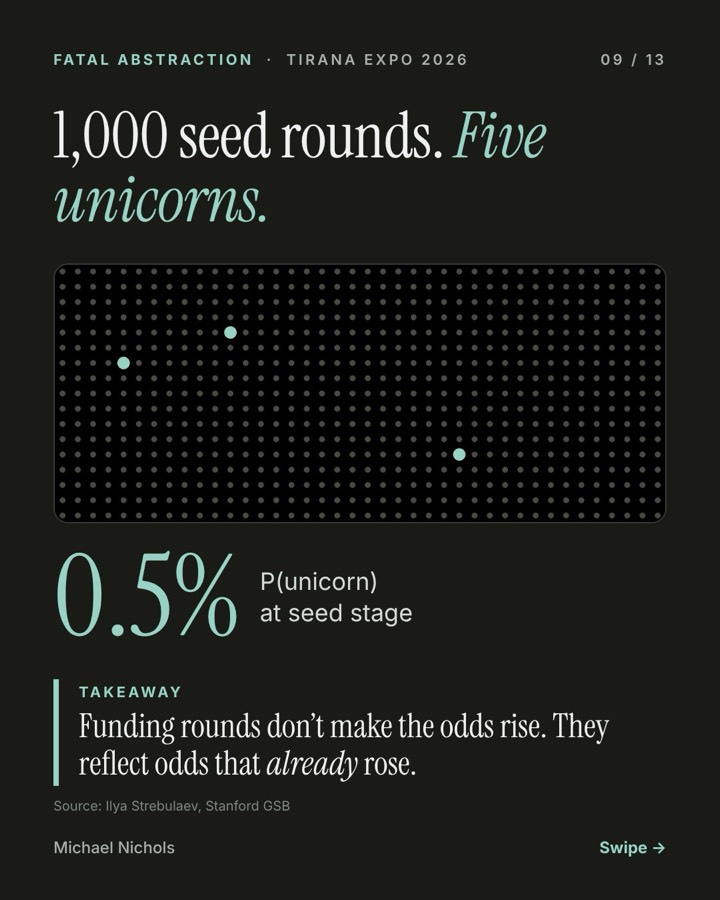
The base rates of failure for startups, acquisitions, and product launches, and what they mean for planning.
Governance
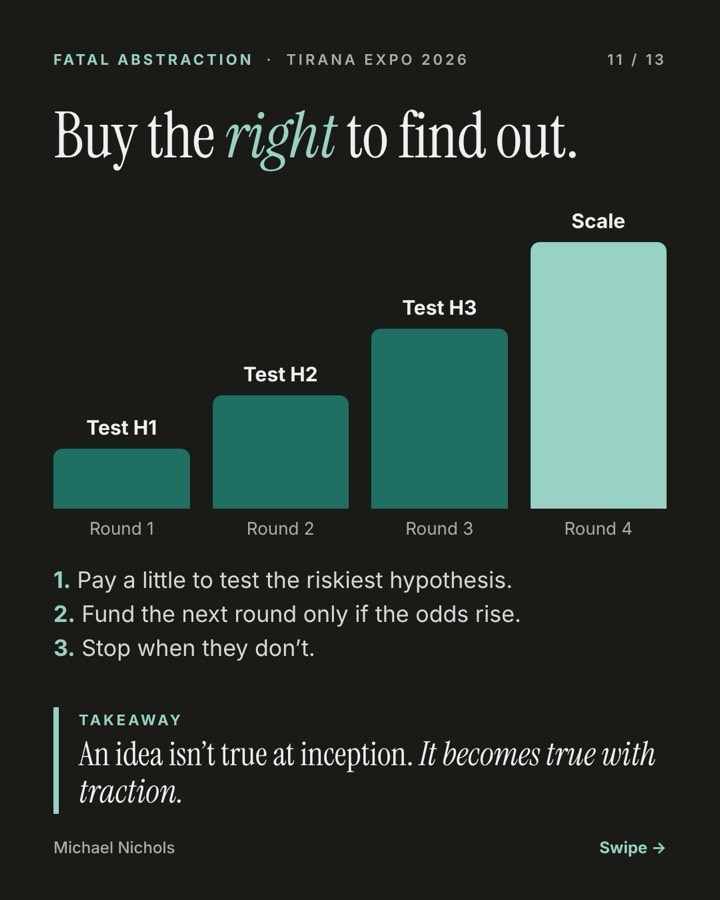
Test the riskiest assumptions first, buy the right to find out, and scale only at the speed of learning.
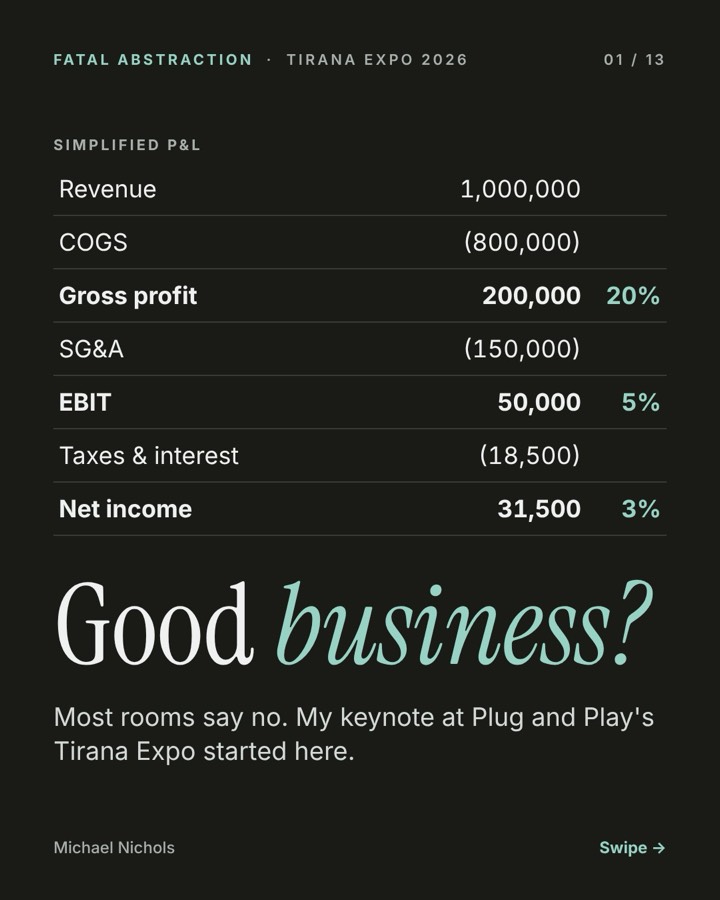
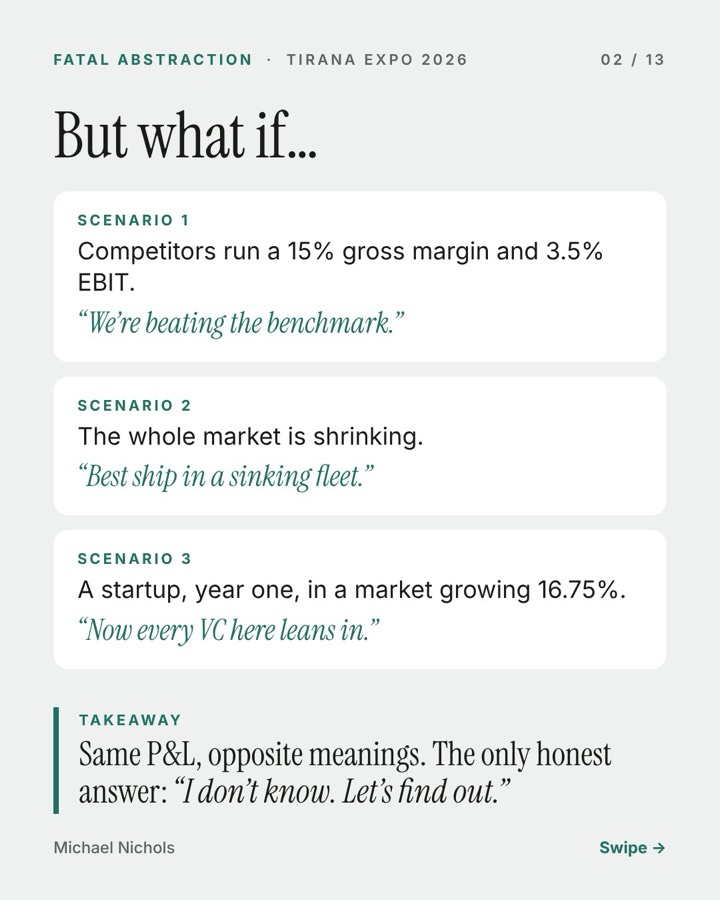
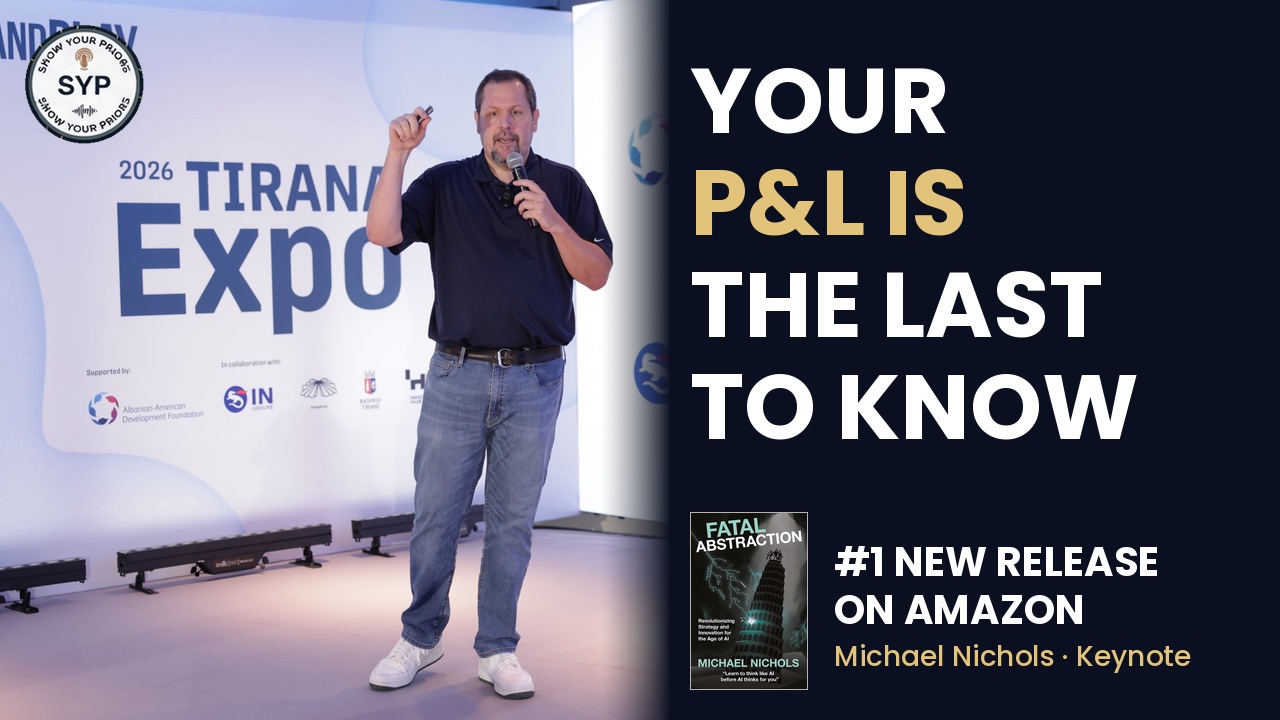
Most leaders judge a business by its P&L. But the P&L is the last link in the causal chain: it reports results without explaining them. In this keynote I show why technology-first ventures, AI-polished business plans and annual strategy cycles fail for the same reason, and why most of those failures are not execution problems but base rates. Drawing on the 300+ ventures I coached at Bosch and my corporate strategy and M&A work at Mann+Hummel, I lay out a different approach: treat strategy as a set of hypotheses, buy the right to find out, and fund the next step only when the evidence improves.
What I learned coaching 300+ ventures at Bosch about why most corporate innovation fails, and the governance structures that actually work, stage by stage against the Venture Model.
A hands-on workshop for leadership and strategy teams. How to plan strategy as a set of hypotheses rather than forecasts, and how to build an innovation roadmap that closes the gap between where the business says it is going and what is actually in the pipeline.
A hands-on workshop for teams working on new ventures. How to identify and test the assumptions your business model depends on.
Collaborate
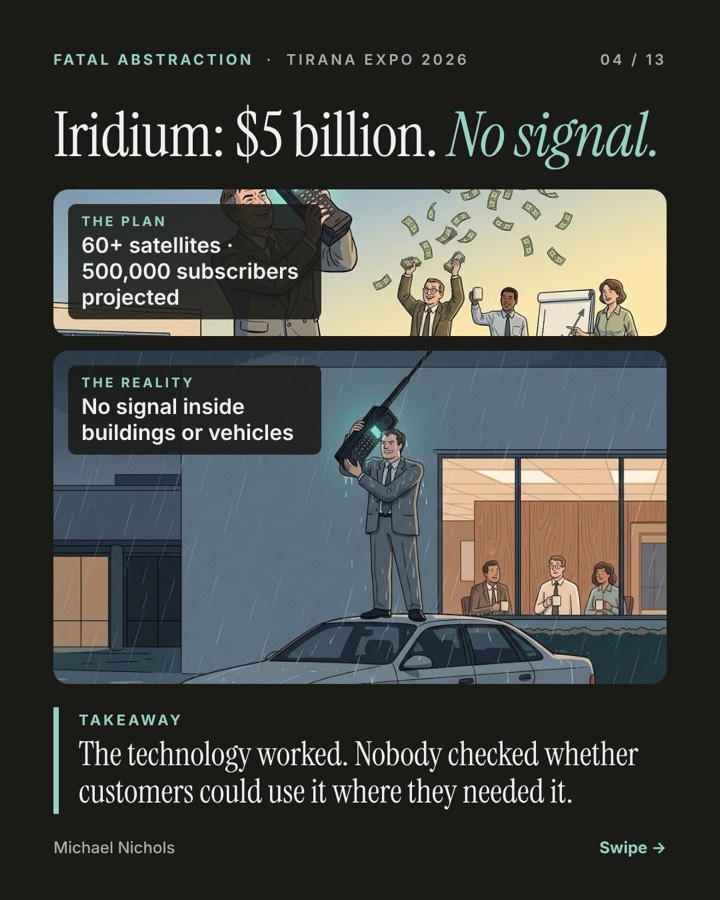
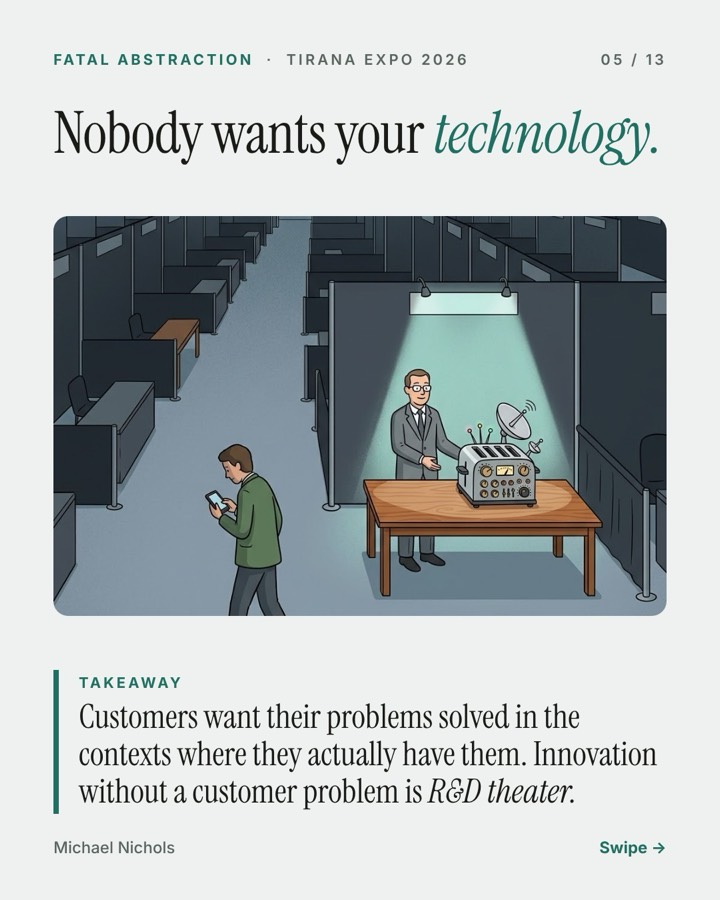
Most ventures and R&D projects start from a technology and go searching for a problem that fits it. Start instead from the customer's problem, defined precisely enough to be falsified, and then design the business model and the strategy around that.
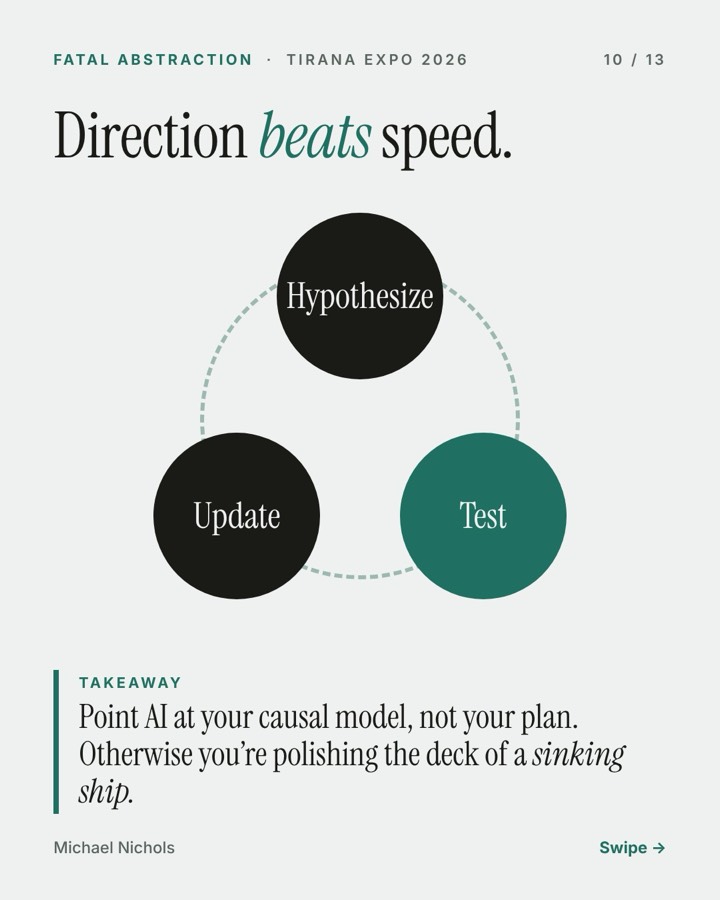
A strategy is a set of guesses, and each one carries a probability of being right or wrong. State them plainly and transparently, design rigorous experiments that raise or lower that probability, and update your strategy when the evidence justifies it.
Strategy is a causal model that fits your capabilities, differs from your competition's, and is constrained by a market you do not control and a history you cannot unwind. Whether it succeeds then depends on your organization's capability to decide, execute, and update its model.
Every project is a set of hypotheses. Test the riskiest ones first, so each tranche of funding buys the right to find out the answers. Investment scales at the speed of learning, and the cost of stopping stays minimal.
Automotive, commercial vehicles, and rail
Robotics, factory automation, and power tools
Connected products, buildings, and home comfort
Water and air filtration, clean energy, and carbon capture
Agentic workflows and competitive intelligence
Health and biotech
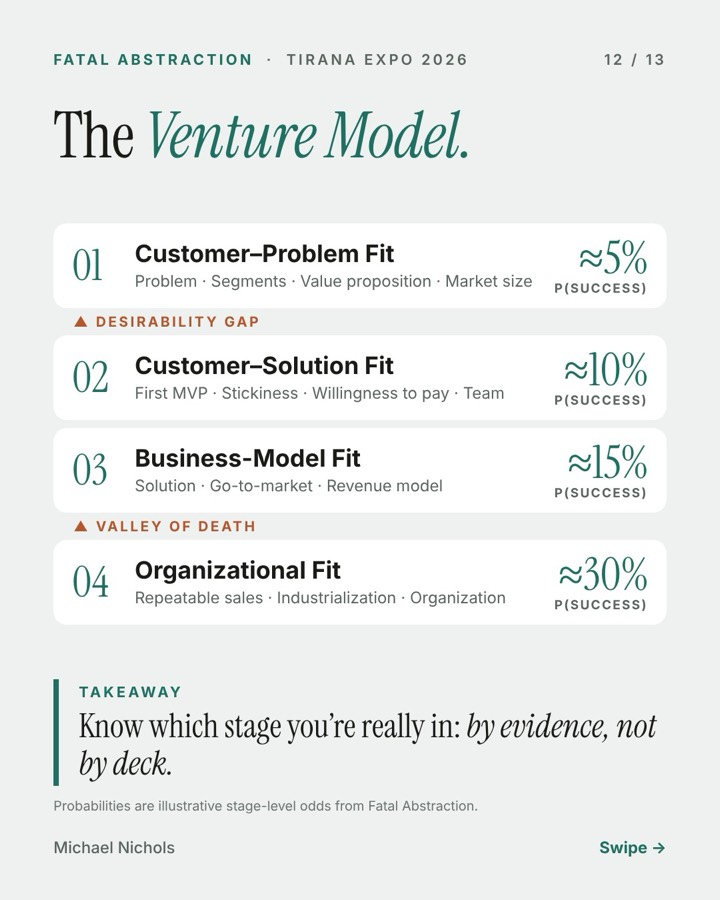
The Venture Model
80 to 100% discount rate
What has to be proved
The Desirability Gap Building before anyone has proved the customer need.
60 to 80% discount rate
What has to be proved
40 to 60% discount rate
What has to be proved
The Maturity Gap Scaling before anyone has proved the business model.
25 to 40% discount rate
What has to be proved
You are not sure how to deal with uncertainty that AI keeps accelerating. How should your strategy adapt to AI? Why are your AI projects not delivering what was promised? Why is your competition ahead of you?
We start with your strategy plan as written: what it commits to, what it rules out, and what has to be true for it to work.
We identify where the logic breaks between what the plan commits to and what can actually be delivered, given your organization's causal model, its ability to execute, and a competitive environment that may have shifted.
We find the riskiest assumptions in the plan and design the cheapest tests for them, starting with the most critical.
We update the plan as the evidence from the tests emerges, and I support you throughout the entire journey.
A strategy you can defend and revise according to real evidence: you know what it rests on, what is still unproven, and what would make you change it. You stop planning your way to certainty, and you decide faster than a competitor still running an annual cycle.
You own the innovation budget and are responsible for generating new business, but you cannot say in one sentence what is in the pipeline, what stage each project is really at, or what your actual conversion rate is, meaning you're unsure of your actual impact on the organization's future. The ventures that do survive then go back into a business unit measured on the core business, where they have to compete for resources against it.
We size the part of the revenue target that cannot be reached without innovation or M&A, which is the gap the roadmap has to fill.
I score every project against the Venture Model, so the pipeline can be measured transparently.
I look at how funding decisions get made: who decides, on what evidence, and what happens when a project fails.
We rebuild the governance so money follows evidence. Stage gates, evidence requirements, kill criteria.
A capital-efficient, transparent innovation process and portfolio aligned to the strategic plan that you can showcase to the board.
Your program produces demo days, decks, pilots. What it does not produce is impact: nothing gets stopped, nothing gets scaled. Without proof of impact, your program will be next on the cost-cutting list.
We design the program: stages, gates, evidence, and what gets funded at each step.
We onboard the cohort in a two-day opening session. Sponsors get their own session on what they need to do and, better, what they need to refrain from doing.
Phase one, ten weeks, through Customer-Problem Fit. Each team works through validation against its own hypotheses, coached every week. We close with a lessons-learned session where the teams recommend a go/no-go decision.
Phase two, three to four months, through Customer-Solution Fit and Business-Model Fit. We close again with a lessons-learned session where the teams recommend a go/no-go decision.
A cohort that reaches a real go or no-go based on in-market evidence and your own team trained to run the next one without me.
You have a project that may be further from real market traction than the slides say and no way to settle it without either killing something valuable or funding a zombie.
You send me the project: the business case, the customer research, the test results.
I review it and work out which stage of the model it is really in.
We spend half a day with the team. Part governance review, part coaching.
I score it and give you a recommendation: stop, go, or proceed with clear tests.
The review is worth what cash is freed up by stopping just one zombie project. Now, you can redeploy the capital to projects with real traction in the market with real customers.
This venture is invented. It is a composite of patterns I have seen many times over, written out in full so you can see exactly what a project review puts on your desk. No client project, named or disguised, appears here.
Project review
A condition-monitoring subscription for industrial air compressors, proposed by a business unit that already sells, and services the machines.
Cleared
Problem definition
Proved
Fourteen maintenance managers interviewed across nine plants. Unplanned compressor downtime stops a production line, and all fourteen could put a number on what an hour costs them.
Customer segments
Proved
Two segments separated cleanly: plants with in-house maintenance teams, and plants already on a third-party service contract. They buy differently and were treated separately.
Value proposition
Partly proved
Quantified for the in-house segment only. For the contracted segment the value goes to the service provider, not the plant, and nobody has worked out who would pay.
Market size
Proved
Built bottom up from their own installed base rather than from an analyst report. Defensible.
In progress, blocked
First MVP
Proved
A retrofit sensor kit running on nine machines across three sites for four months. It detects the failure modes it claims to detect.
Stickiness
Not proved
Dashboard logins fell to near zero after week three. The team reads this as a user interface problem. The other reading is that the dashboard isn't the product and the email alert is, which would change the pricing model.
Willingness to pay
Not proved
Three pilots, all free, none with a contract or a price conversation. Nobody in the pilot has been asked to pay anything, so nothing has been learned about whether they would.
Team
Partly proved
Strong engineering ownership. Nobody owns the commercial model, which is where the project is stuck.
Claimed, not started
Solution
Partly proved
Carried over from the pilot. Not tested at the scale the business case assumes.
Go-to-market
Not proved
The plan routes the subscription through the existing machine sales force, who are paid on hardware margin. Nobody has tested whether they will sell it.
Revenue model
Not proved
The business case assumes a per-machine monthly subscription at a price no customer has ever been quoted. Every number downstream of it inherits that assumption.
Not assessed
Assessing this stage would cost money and tell you nothing while stage two is open.
Your teams have been told to be customer-centric and to run experiments. Nobody has shown them how to state a hypothesis, work out which one is riskiest, or design a test cheap enough to be worth running. In short, nobody has taught them how to venture in practice, not just in theory.
We agree what the team actually needs: the basics, the method, or the rationale underneath both.
We pick real projects from your pipeline before the session. No case studies about other companies.
The team learns to state hypotheses, find the riskiest one, and design the cheapest test that could kill it.
Everyone leaves with their next test defined and a plan to implement it.
Teams that can run the method on their own projects, design experiments with actionable metrics, and own the process.
Use
The company I co-founded. A competitive and strategic intelligence platform that tests your strategy before the market does, for strategy, M&A, CVC, and product teams.
It runs this reasoning on your own market: state the hypothesis, go, and find what contradicts it, and show the sources.
Contact
Planning an event, looking at a pipeline you aren't sure about, or weighing a decision about how to respond to AI. Tell me which and I'll reply within two business days.